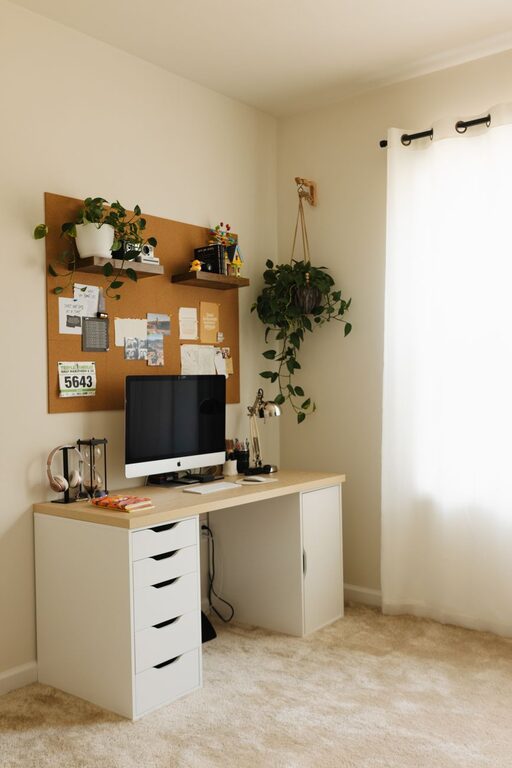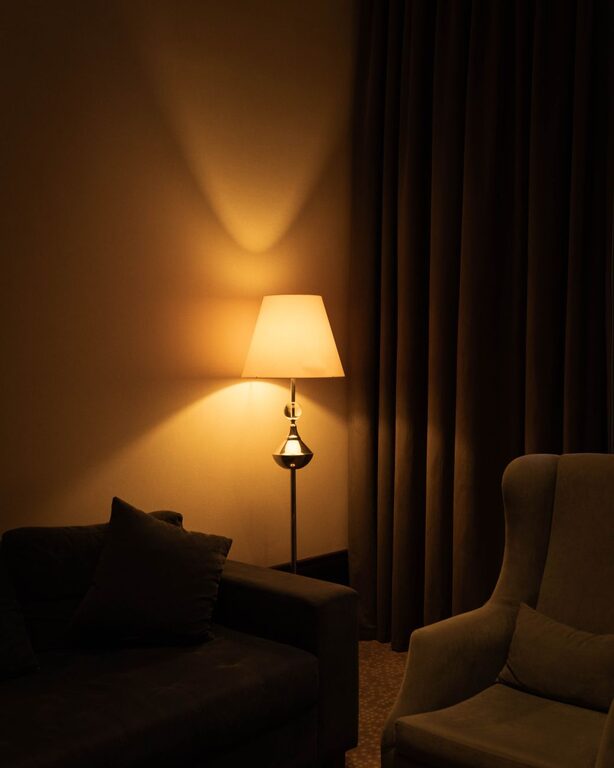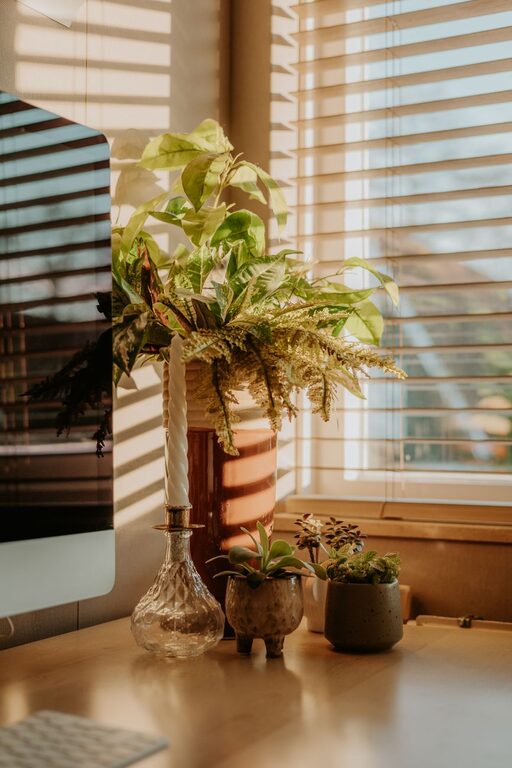
Creating a relaxing home environment is key to enhancing your well-being. After a busy day, coming back to a peaceful space can help you unwind, reduce stress, and feel more balanced. The good news is that small changes in your home can make a big difference. This article will guide you through practical tips to design a calm and comforting atmosphere that supports your health and happiness.
Why a Relaxing Home Environment Matters
Your home is more than just a place to sleep and eat; it’s your personal sanctuary. A relaxing environment can:
– Lower stress levels
– Improve sleep quality
– Boost mood and creativity
– Encourage mindful living
By intentionally shaping your surroundings, you can create a space that promotes calmness and well-being.
1. Declutter and Organize for Clarity
A cluttered space often leads to a cluttered mind. Start by:
– Sorting through belongings and donating or recycling items you no longer use
– Organizing everyday items so they are easy to find
– Using storage solutions like baskets, shelves, or drawer dividers to keep things tidy
Maintaining an organized home helps reduce anxiety and makes your space feel more open and inviting.
2. Incorporate Natural Elements
Bringing nature indoors contributes to relaxation and a sense of grounding. Consider adding:
– Houseplants, which improve air quality and create a calming visual
– Natural materials like wood, stone, or cotton for furniture and decor
– Fresh flowers or dried botanicals for seasonal charm
Natural light is also important, so open your curtains during the day to let the sunlight in.
3. Choose Calming Colors
Colors influence our mood more than we realize. To create a relaxing vibe:
– Opt for soft, neutral shades like pale blues, greens, and grays
– Avoid overly bright or harsh colors in spaces meant for rest and relaxation
– Use gentle accent colors like lavender, soft pink, or beige for warmth
These hues encourage tranquility and help your mind unwind.
4. Create Comfort with Textiles
Soft and cozy textures add to the feeling of comfort. Try:
– Plush rugs and cushions in living areas
– Soft blankets and throws on your sofa or bed
– Breathable, natural fabrics such as linen or cotton for curtains and bedding
Layering textiles can make your home feel more inviting and help you relax.
5. Set Up a Relaxation Zone
Designate a specific area for rest and mindfulness. This could be a corner of a room or a small nook where you:
– Place a comfortable chair or floor cushion
– Add elements like a small table for books, candles, or a diffuser
– Keep it free of distractions like electronic devices when possible
Having a dedicated space encourages regular breaks and peaceful moments during your day.
6. Use Soothing Scents
Aromatherapy can have a calming effect on the nervous system. Benefits of scented spaces include reduced anxiety and improved focus. Some ways to add soothing scents:
– Essential oil diffusers with scents like lavender, chamomile, or eucalyptus
– Scented candles made from natural beeswax or soy
– Simmering water with citrus peels, cinnamon, or herbs on the stove
Choose scents that you find personally relaxing and avoid overpowering fragrances.
7. Manage Lighting Thoughtfully
Lighting impacts your circadian rhythm and mood. To create relaxing lighting:
– Use warm, soft-white bulbs instead of harsh fluorescents
– Incorporate dimmable lamps or multiple light sources to adjust brightness
– Use fairy lights or candles for ambiance during evening hours
Minimizing blue light exposure before bed promotes better sleep.
8. Reduce Noise and Distractions
A noisy or chaotic environment can be stressful. Here’s how to keep it calm:
– Use rugs, curtains, and cushions to absorb sound
– Play soft background music or nature sounds, like rain or birdsong
– Consider soundproofing options if you live in a noisy area
Silence or gentle sounds help your brain relax and focus.
9. Personalize Your Space
Finally, make your home feel uniquely yours by adding:
– Favorite artwork or photos that bring joy
– Meaningful objects or souvenirs that remind you of positive memories
– Comfortable furniture arranged in ways that invite conversation or solitude
Visual elements you love enhance your sense of well-being and comfort.
Conclusion
Transforming your home into a relaxing environment doesn’t require a major renovation. By focusing on decluttering, natural elements, soothing colors, comfort, and mindful lighting, you can create a sanctuary that supports your health and happiness. Small steps can lead to a big impact, helping you feel more balanced and refreshed every day.
Remember, your home should be a reflection of your needs and preferences. Experiment with different ideas until you find what feels best for you. Relaxation starts at home!
About the Author