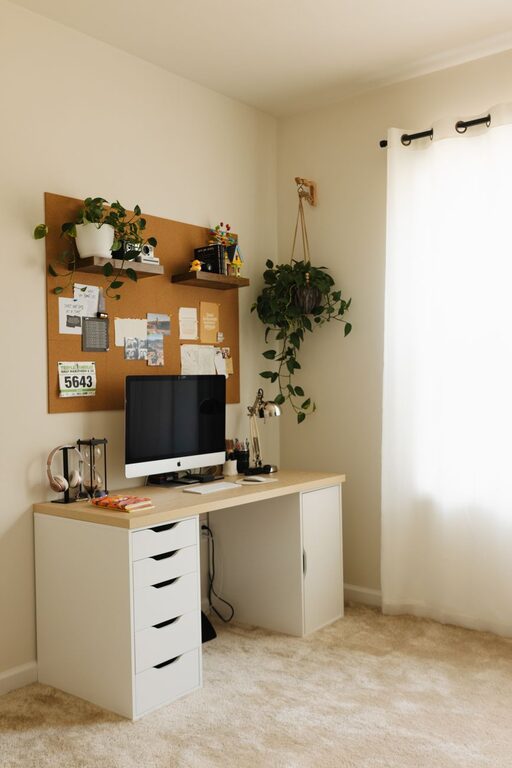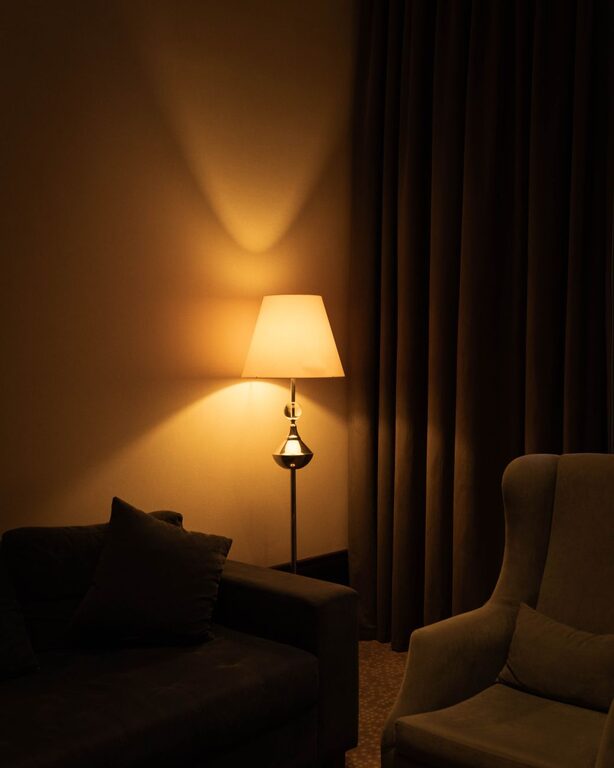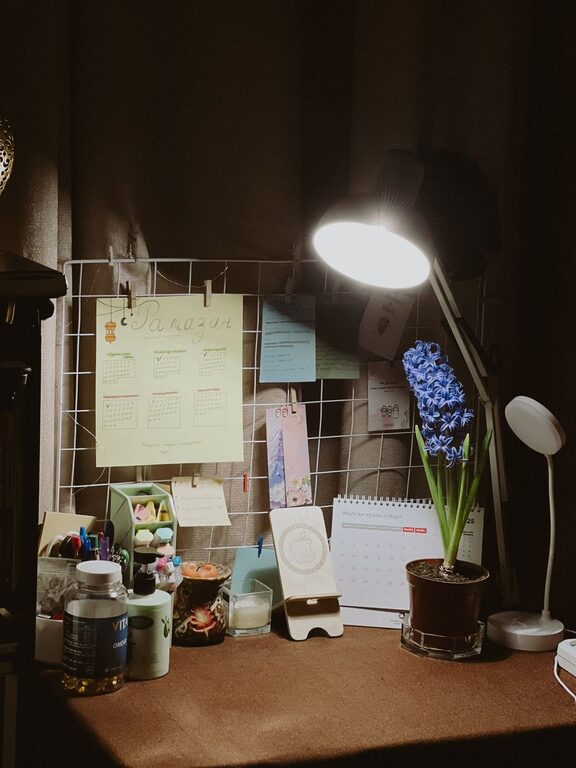
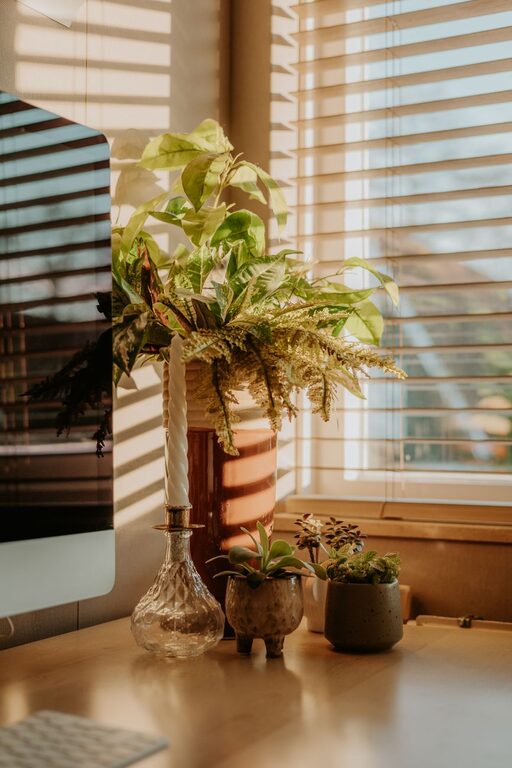
Creating a relaxing home office environment is essential for maintaining focus and boosting productivity, especially as remote work becomes increasingly common. Your workspace directly impacts how you feel and perform throughout the day. A calm, inviting office can reduce stress and inspire creativity, helping you accomplish your tasks more efficiently. Here are some practical tips to help you design a relaxing home office that works for you.
Choose the Right Location
Finding the ideal spot for your home office is the first step to creating a peaceful work environment.
– Quiet and Private: Look for a room or corner away from high-traffic areas and noisy parts of your home to reduce distractions.
– Natural Light: Choose a space with ample natural light. Sunlight boosts mood and energy, making it easier to stay alert.
– Good Ventilation: Fresh air makes a big difference in comfort and focus, so pick a location with windows you can open.
Invest in Comfortable and Supportive Furniture
Your furniture greatly impacts your comfort and health during long work hours.
– Ergonomic Chair: Choose a chair that supports your lower back and encourages good posture.
– Adjustable Desk: A desk at the right height prevents strain on your wrists and shoulders. Consider a sit-stand desk to switch positions.
– Organized Workspace: Keep your desk tidy and large enough for your computer, notebooks, and other essentials.
Use Calming Colors and Décor
Color and décor influence your mood—choose elements that create a relaxing atmosphere.
– Soft Colors: Shades like light blues, greens, and neutrals tend to be calming and less distracting.
– Personal Touches: Add photos, artwork, or plants that make you feel comfortable but avoid clutter.
– Minimalism: A clean, uncluttered space helps your mind stay clear, reducing stress.
Incorporate Plants and Natural Elements
Adding a bit of nature can refresh the space and improve air quality.
– Easy-Care Plants: Succulents, spider plants, or snake plants are low-maintenance options.
– Natural Materials: Wood or stone accessories can add warmth and texture.
– Aromatherapy: Consider a diffuser with essential oils like lavender or eucalyptus to maintain a soothing scent.
Optimize Lighting
Good lighting reduces eye strain and sets the right mood for work.
– Layered Lighting: Use a mix of natural light, overhead lighting, and task lamps.
– Adjustable Desk Lamp: A focused lamp lets you control light intensity where you need it.
– Avoid Glare: Position your screen to prevent reflections and glare from windows or lights.
Create Zones for Different Activities
Design your office to support various work tasks and breaks.
– Focused Work Area: Dedicate your main desk for computer work and meetings.
– Creative Space: Include an area for brainstorming with a whiteboard or notebook.
– Relaxation Corner: Have a comfortable chair or small couch for breaks or reading.
Manage Noise Levels
Sound plays a big role in concentration and relaxation.
– Noise-Canceling Headphones: These can block out distractions, especially in busy homes.
– Soft Textiles: Rugs, curtains, and cushions help absorb sound.
– Background Music: Calm instrumental or nature sounds can create a peaceful ambiance.
Organize and Declutter Regularly
An organized space helps keep your mind clear and focused.
– Storage Solutions: Use shelves, drawers, and bins to keep supplies neat.
– Daily Tidying: Spend a few minutes each day clearing your desk.
– Digital Organization: Keep your computer files and emails sorted to avoid digital clutter.
Set Boundaries and Routine
Your environment should encourage a work-life balance, even at home.
– Defined Work Hours: Set specific start and end times to avoid burnout.
– Separate Workspace: Keep your office distinct from living areas to mentally separate work from home life.
– Break Reminders: Use timers or apps to remind yourself to stand, stretch, and rest your eyes.
Technology Setup
Ensure your tech supports productivity without causing frustration.
– Reliable Internet: Invest in good Wi-Fi to avoid connectivity issues.
– Ergonomic Accessories: Use keyboards and mice designed to minimize strain.
– Cable Management: Keep cords tidy to prevent distractions and accidents.
—
Creating a relaxing home office environment takes thought and effort, but the benefits to your productivity and well-being are worth it. With the right location, furniture, organization, and ambiance, your workspace can become a place where you feel calm, motivated, and ready to work your best every day. Remember, your home office should reflect your personal style and needs—adjust these tips to create a space that truly supports you.
About the Author