Creating a cozy and inviting home workspace can transform how you feel about your workday. Whether you’re working full-time from home or just need a dedicated spot for occasional tasks, a thoughtfully designed space can increase both comfort and productivity. Here are some practical tips to help you set up a home workspace that feels welcoming and inspires focus.
Choose the Right Location
Consider Natural Light
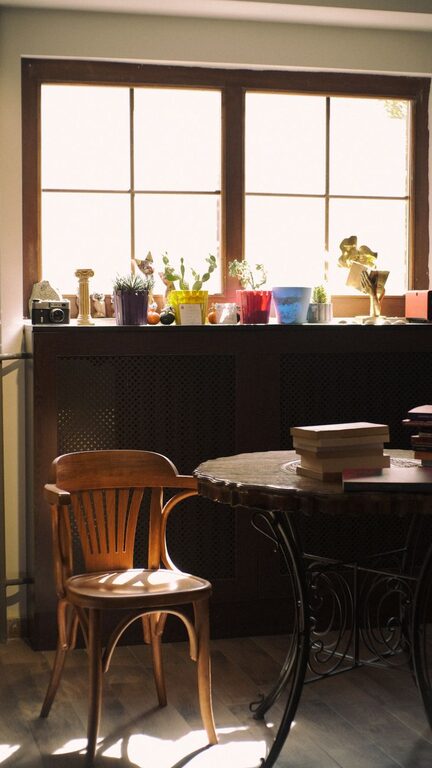
Whenever possible, pick a spot with plenty of natural light. Sunlight not only brightens your space but also improves mood and energy levels. Position your desk near a window to take advantage of daylight, but use blinds or curtains to control glare on screens.
Find a Quiet Corner
A peaceful environment reduces distractions and helps you concentrate. Select a quiet corner or a separate room where noise is minimal. If you don’t have a dedicated room, try using room dividers or noise-cancelling headphones to create a personal zone.
Invest in Comfortable Furniture
Select an Ergonomic Chair
Comfortable seating is essential for long hours of work. Choose an ergonomic chair that supports your back and encourages good posture. Adjustable height and lumbar support features add flexibility and comfort.
Use a Spacious Desk
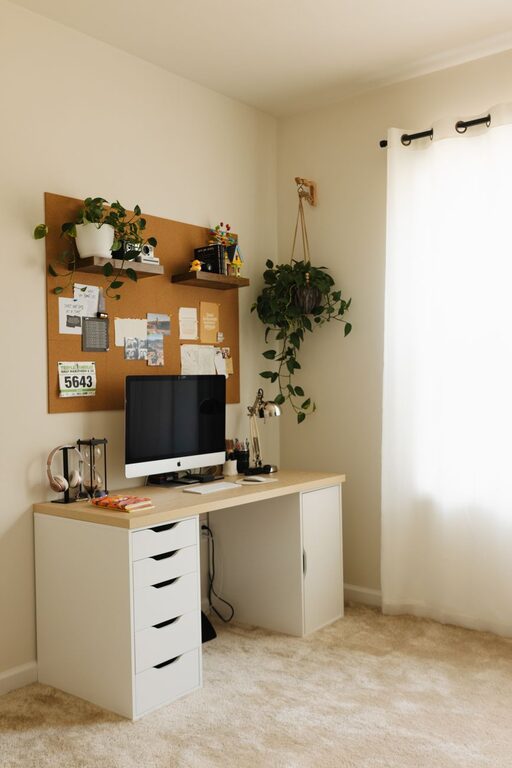
A desk with enough surface area to hold your computer, notebooks, and other essentials keeps your workspace organized. Consider a desk with built-in storage options like drawers or shelves to reduce clutter.
Personalize Your Workspace
Add Personal Touches
Incorporate items that bring you joy and motivation, such as photos, artwork, or favorite quotes. Personalizing your space makes it feel more welcoming and unique to you.
Use Calming Colors
Choose a color scheme that promotes relaxation and focus. Soft, neutral tones like beige, light gray, or pastels create a soothing environment, while pops of color can add energy and personality.
Organize Efficiently
Declutter Regularly
A clutter-free workspace helps reduce stress and improves focus. Set aside a few minutes each day to tidy up your desk and put items in their designated places.
Use Storage Solutions
Keep supplies and documents organized with containers, shelves, and filing systems. Label storage spaces to make it easier to find what you need quickly.
Incorporate Greenery
Add Indoor Plants
Plants add a refreshing touch to any workspace. They improve air quality and create a sense of calm. Choose low-maintenance options like succulents, pothos, or snake plants if you don’t have a green thumb.
Position Plants Strategically
Place plants near your desk or on a windowsill where they can thrive. Surrounding yourself with greenery can increase creativity and reduce fatigue.
Control Lighting
Layer Your Lighting
Relying solely on overhead lighting can cause eye strain. Use a mix of ambient, task, and accent lighting to create a well-lit workspace. A desk lamp with adjustable brightness is ideal for focused tasks.
Choose Warm Light Bulbs
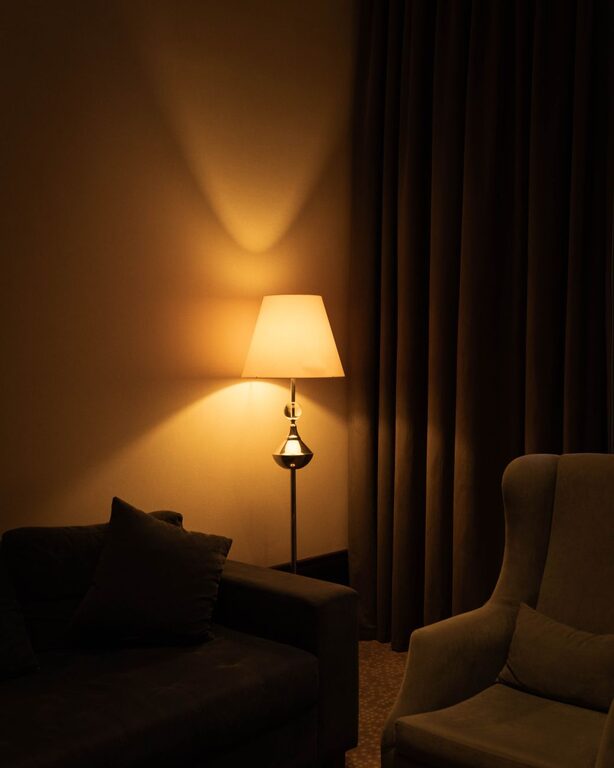
Warm light bulbs create a cozy atmosphere, making your workspace feel inviting. Avoid harsh, cool lighting that may make the space feel sterile.
Manage Technology
Keep Cables Organized
Tangled cables create clutter and distraction. Use cable organizers, clips, or sleeves to keep wires tidy and out of sight.
Use Quality Equipment
Invest in reliable, comfortable tech like a good keyboard, mouse, and monitor. Ergonomic tools not only improve comfort but also enhance efficiency.
Create a Routine-Friendly Environment
Designate a Workspace
Having a consistent place to work helps mentally separate work from leisure. This separation can make it easier to switch off after your workday ends.
Add Comfort Accessories
Items such as a cozy blanket, footrest, or cushion can make long work sessions more comfortable. Comfort boosts focus and reduces physical strain.
Final Thoughts
Designing a cozy and inviting home workspace doesn’t require a large budget or extensive renovations. By selecting the right location, investing in comfortable furniture, organizing efficiently, and adding personal touches, you can create a space where you enjoy spending time. Remember that your workspace should reflect your needs and personality—comfort and environment play important roles in maintaining motivation and productivity at home. Take the time to adjust your setup as you discover what works best for you, and soon you’ll have a workspace that feels like your own little haven.
About the Author